Learning CPR is more than just a box to check off on a list—it can be a life-saving skill. People in New London, NH, or anywhere else, can definitely benefit from knowing how to perform CPR. Whether it’s helping a family member or a neighbor, being prepared for emergencies makes a big difference. Understanding CPR’s significance can motivate many to enroll in classes to gain this valuable knowledge.
Taking a CPR class offers more than just learning how to save a life. It provides the confidence needed during an emergency. Imagine a situation at a community center where someone suddenly collapses, and you’re the person who steps up to help. Your ability to act quickly and follow the steps correctly can change the outcome dramatically. CPR skills empower individuals to feel ready for any sudden situations, making New London a safer place for everyone.
Why Take a CPR Class?
CPR classes teach vital skills that can save lives in emergencies. Being equipped with CPR knowledge increases your ability to assist someone experiencing cardiac arrest. In those critical first few minutes, before professional help arrives, your CPR skills can make a significant impact.
Here are some reasons why signing up for a CPR class is a wise decision:
– Work Requirements: Many jobs, especially in healthcare and education, require CPR certification. Becoming certified not only makes you a desirable candidate but also prepares you to handle emergencies at work.
– Emergency Readiness: Accidents happen without warning. Whether you’re at home, at a park, or elsewhere, having CPR knowledge allows you to respond promptly and effectively.
– Family Safety: Knowing CPR means you’re equipped to aid family members in an emergency. This kind of readiness brings peace of mind to everyone in your household.
– Community Contribution: Being CPR-certified means you contribute positively to community safety. Your skills may be the difference in saving a life in your neighborhood.
There are numerous scenarios where CPR skills prove invaluable. Picture a local sports event where an athlete suddenly collapses. Quick CPR intervention from a bystander can stabilize their condition until help arrives. Being prepared doesn’t just make you more capable; it makes your community safer and more supportive.
Acquiring CPR certification sometimes plays a role in specific activities or job applications. Certain employers and organizations require proof of these skills for engaging in specific roles. For instance, camp counselors, fitness trainers, and lifeguards often need CPR training before they can begin working. This requirement ensures a higher level of safety and preparedness within these roles.
Getting trained in CPR isn’t just beneficial for prospective job opportunities. It empowers you with the knowledge to make a genuine difference. This skill enhances both personal and public safety, ensuring that you’re ready to face unexpected situations with confidence and competence.
Common Questions Asked When Students Register for CPR Class
When signing up for a CPR class, you’ve probably got some questions on your mind. It’s good to have all the information before committing, so let’s look at a few common queries.
– What is the Duration of the Class? CPR classes vary in length, but most are manageable even for those with busy schedules. Typically, you can expect to spend anywhere from a few hours to a full day in training, depending on the depth of the course and any additional certifications covered.
– Is There a Certification Provided Upon Completion? Successful completion of a CPR class usually means you’ll receive a certification card. This acknowledges your competency and provides proof to employers or organizations requiring it.
– What is the Cost of the Class? Class fees can differ based on location and provider, but they often include materials and certification costs. Always check if additional fees apply, so you’re prepared upfront.
– Are There Any Prerequisites or Prior Knowledge Required? Most CPR courses are designed for beginners. This means you don’t need prior experience or knowledge—just a willingness to learn and engage actively during the class.
– What Should I Bring to the Class? Bringing a notebook might help if you’d like to jot down notes. Some classes might specify materials you should have, so checking ahead of time ensures you’re ready. Generally, comfortable clothing is suggested since you’ll be getting hands-on experience.
How to Register for CPR Class with ResQ Health
Signing up for a CPR class can feel straightforward, thanks to modern conveniences. Using an online scheduling system is often the easiest way to secure your spot.
Here’s a simple process to guide you:
1. Visit the Scheduling Platform: Start by accessing the ResQ Health OS platform. Their system is intuitive, making navigation easy even for first-timers.
2. Select Your Preferred Class and Time: Browse through available classes, considering dates and times that fit your schedule.
3. Complete Registration with Personal Information: Fill out the necessary personal details to confirm your booking, ensuring everything is accurate.
4. Receive Confirmation and Details: After registering, you will receive a confirmation email with all the details you need for the class.
This process not only saves time but also makes the whole experience hassle-free. Plus, having the option to register online provides flexibility to students in New London, NH, catering to different schedules and preferences.
What to Expect on the Day of the Class
As the day of your CPR class approaches, it’s normal to have a few jitters. Knowing what to expect can ease those nerves and prepare you for a positive experience.
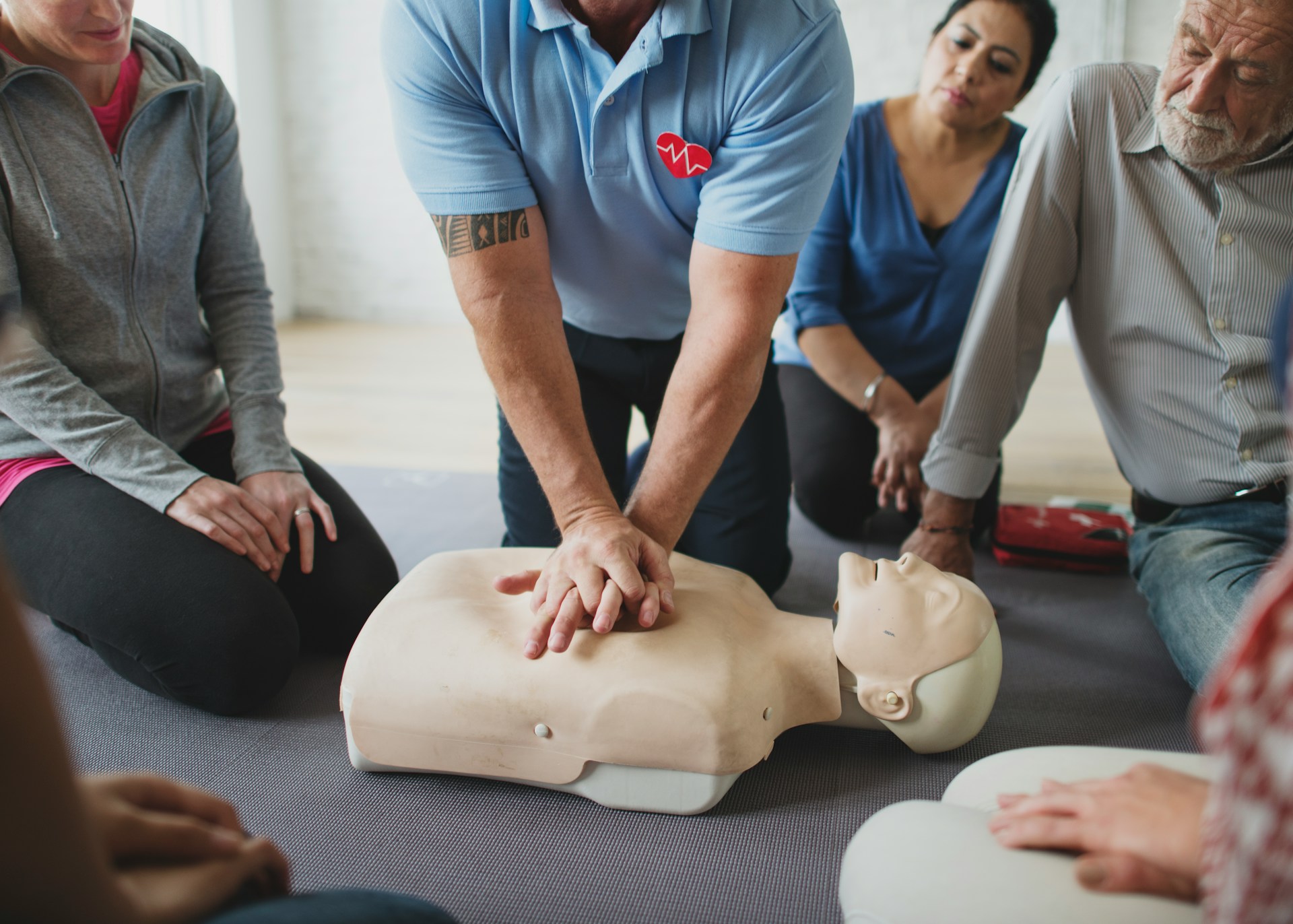
– Structure of the Class: Classes typically start with a friendly introduction to CPR fundamentals. After an initial theory session, you’ll engage in practical exercises, applying what you’ve learned on mannequins. This hands-on practice is essential for building confidence and skill.
– Classroom Activities: You can anticipate a mix of demonstrations, group activities, and individual practice. Instructors are there to guide and support, helping you refine your technique and offer tips throughout.
– Preparation Tips: Eat a good breakfast to keep your energy up, and wear comfortable clothes that allow movement. Bringing a bottle of water is a good idea to stay hydrated, especially during active sessions.
Stepping into a CPR class with this preparation and understanding can make the experience both enjoyable and educational. You’re not just learning a skill; you’re equipping yourself with the ability to make a difference in critical situations.
Wrapping Up Your CPR Training Journey
Completing CPR training marks an important milestone. You’ve gained the skills and knowledge needed to handle emergencies confidently. This training empowers you to offer the assurance of safety to those around you, contributing meaningfully to your community’s well-being.
Your training doesn’t end here. Maintaining your CPR proficiency through regular recertification ensures you’re always ready. Not to mention, additional resources and support are available to keep your skills sharp. With ongoing learning, you continue to uphold and enhance safety both personally and within your community.
Ready to take the next step in making your community a safer place? Register for CPR class with ResQ Health to gain the skills needed to handle emergencies effectively. Whether you’re new to CPR or looking to refresh your knowledge, this opportunity ensures you’re prepared for any situation. Dive into the details and secure your spot today by visiting register for CPR class.