Troubleshooting Class Management App Issues

Running a training business smoothly relies a lot on how well your class management app functions. Imagine, for instance, you’re trying to prepare for an important session, but your app suddenly greets you with an error. Frustrating, right? When your app isn’t cooperating, it disrupts your day and can throw everyone off balance. Ensuring your app runs like a well-oiled machine is key to keeping operations on the right track. Understanding the most common issues that crop up with class management apps can prepare you for these bumps in the road. Knowing how to address them quickly can reduce hassle and ensure that learning stays the main focus. We’re going to take a look at some usual suspects in app errors, and the ways to troubleshoot them, making your life a bit easier. Identifying Common App Errors Class management apps are indispensable, but like all technology, they aren’t immune to hiccups. Here are some typical problems you might encounter: – Login Problems: These could include trouble signing in, incorrect passwords, or unexpected logouts. Often, these issues pop up due to forgotten passwords or unstable internet connections. – Scheduling Errors: Double bookings, missing class times, or incorrectly displayed calendars fall into this category. They can be a real headache, causing confusion and misplaced classes. – Syncing Issues: Sometimes, data doesn’t update across devices, leading to outdated information being displayed. This is especially challenging when multiple users need to access the most current data. Understanding these basic errors can help you approach them with more confidence. Let’s delve further into how you can troubleshoot these problems effectively, starting with login issues. Steps to Troubleshoot Login Problems Getting locked out of your class management app can be frustrating, especially when you need to access important information right away. Here’s how you can tackle some of the most frequent login issues: 1. Check your internet connection: Ensure you’re connected to the internet. A shaky connection can sometimes prevent you from logging into apps smoothly. 2. Reset your password: If you’re seeing a message about an incorrect password, use the “forgot password” option to set a new one. This is a quick fix if you’ve simply forgotten your credentials. 3. Clear app cache: Sometimes apps store outdated data that can cause problems. Head to your device’s settings, find your app, and clear the cache. This gives you a fresh start without any old, corrupted data causing issues. Taking these steps can usually help you regain access quickly and without much fuss. Let’s look at how to sort out scheduling mishaps, which are another frequent roadblock in managing training sessions. Resolving Scheduling Errors Scheduling errors can disrupt your plans and lead to confusion, making it crucial to address them promptly. Here are some effective solutions for common scheduling dilemmas: 1. Double Bookings: If you find two sessions overlapping, check your calendar settings to ensure automatic adjustments are enabled. This helps prevent such occurrences from slipping through the cracks. 2. Missing Classes: Periodically verify your scheduled classes are reflected on all synced devices. Adjust any discrepancies found by refreshing your app or manually realigning the schedules. 3. Incorrect Time Zones: Ensure your app settings match your local time zone, especially if recent travel or daylight savings may have impacted them. By systematically checking these areas, you can correct scheduling errors quickly. Review app updates regularly to ensure bugs that may cause these issues have been addressed by developers. Fixing Syncing Issues Sync issues often rear their heads when data seems inconsistent across devices. Let’s tackle this with a few straightforward steps: 1. Confirm Network Connection: A stable internet connection is foundational. Ensure all devices are linked to a reliable network to maintain real-time data updates. 2. Refresh or Reboot: Sometimes, data updates can be delayed. Refresh the app or restart your device to prompt syncing. 3. Device Compatibility: Verify all devices are running compatible and updated versions of the app. Incompatibility can result in syncing problems. Keeping communications in sync requires knowing your devices are not only connected but also speaking the same language. Regular synchronization checks protect you from surprises. When to Seek Professional Help When you’ve tried troubleshooting and issues persist, it might be time to reach out for additional support. Here’s when to consider enlisting help: – Persistent Crashes: If your app consistently crashes, this indicates a deeper issue that may require professional assessment. – Inaccessible Data: When vital data can’t be retrieved, tackling the root problem with expert assistance can prevent further stress. – User Support Needs: Navigational troubles or understanding advanced app functionalities may meet their match with customer support or professional tech help. Your app should serve you, not the other way around. Don’t hesitate to reach out for help when self-troubleshooting falls short. Keeping Your App Updated Regular updates are like preventive check-ups for your app. Here’s how to keep it healthy and error-free: – Enable Automatic Updates: This ensures your app consistently runs the latest software, incorporating fixes or improvements without requiring manual downloads. – Sift Through Patch Notes: Developers often note new updates’ features or fixes. Reading these keeps you informed and aware of important changes that can improve performance. – Reboot and Reset: Occasionally, a good reboot post-update syncs changes more effectively, bringing peace of mind and stability to your operations. Prioritizing updates acts as your first line of defense against unexpected app mischief, clearing the way for a seamless training experience. Benefits of a Smooth App Experience Imagine a teaching session where everything works in perfect harmony, and technology fits into place effortlessly. Keeping your class management app shipshape makes this possibility attainable. It ensures operations glide without hiccups and allows you to focus on what truly matters—impactful teaching. Taking proactive measures in maintaining your app simplifies life for everyone involved. When the technicalities take a back seat, your energy is freed to cultivate rich, engaging learning environments. A reliable app shoulders the burden gracefully, letting your vision for flawless teaching take center stage. For
Streamline Class Management for Success

Running a smooth training operation is like mastering a skillful juggling act. Managing multiple classes, ensuring clear communication among instructors and students, and achieving educational goals can make all the difference in the success of your training business. Whether you’re a seasoned trainer or new to the field, fine-tuning your class management strategies can lead to more efficient operations and better learning outcomes. Effective management means that instructors can focus more on teaching, while students benefit from organized classes that enhance their learning experience. It’s a win-win situation for everyone involved. In New London, NH, where the scenic backdrop can sometimes be distracting, having a streamlined approach to class management is crucial. As we look ahead to the warmer months of 2025, a well-organized training schedule can ensure your classes are as refreshing as a spring breeze, keeping both instructors and students motivated and focused. Streamlined operations are not just about keeping things running smoothly; they can inspire creativity and innovation in the way classes are taught, making the educational experience more enriching for everyone. Setting Clear Objectives for Each Class Establishing clear objectives is like drawing up a road map for your class. It helps instructors know what path to follow and offers students a clear direction and purpose for their learning journey. So, how can you effectively set and communicate these objectives? – Define Precise Goals: Start by identifying what you want your students to learn by the end of the session. This might include specific skills, knowledge, or competencies you aim to impart. – Make Objectives Measurable: Just like checking off items on a to-do list, make sure your goals can be measured. Whether it’s through assessments, projects, or direct feedback, measurable objectives help you gauge if your class is heading in the right direction. – Communicate Clearly: Ensure that both students and instructors understand the objectives from the get-go. This could be through a syllabus, an introductory session, or a simple handout. The clearer the message, the easier it is for everyone to stay on track. Think of setting objectives as planting seeds. Clear goals help nurture students’ growth, ultimately leading to a successful harvest where knowledge and skills flourish. With objectives well-defined and communicated, the class becomes a focused and productive environment, making it easier to achieve desired outcomes. Effective Use of Class Management Software In today’s tech-savvy world, class management software acts as a powerful tool for keeping training sessions organized and efficient. These digital tools simplify many tasks that once required manual intervention, such as scheduling and attendance tracking. – Scheduling Made Easy: Online platforms allow instructors to set up class times with minimal fuss. Students can sign up without hassle, and any changes can be communicated promptly. – Automated Reminders: Notifications keep everyone on the same page. With automated reminders, instructors and students are always aware of upcoming sessions, reducing the chance of missed classes or double bookings. – Feedback Collection: Gathering feedback is no longer a tedious task. Many software options include features that enable quick and easy collection of feedback from students, helping instructors continuously improve the learning experience. By integrating these tools into your class management strategy, you are not just keeping things organized—you are enhancing your ability to provide a memorable and efficient learning experience. Class management software lightens the administrative load, allowing more focus on what truly matters: teaching and learning. Enhancing Communication with Students and Instructors Communicating clearly is like providing the glue that holds the training experience together. Both students and instructors rely on effective communication for smooth operations and successful outcomes. Inconsistent or unclear messaging can lead to confusion and missed opportunities for learning. To avoid this, establishing reliable communication channels is essential. Here are a few ways to enhance communication: – Regular Updates: Send out weekly emails or newsletters that outline what’s coming up. This can include topics to be covered, any schedule changes, or reminders about assignments. It keeps everyone informed and reduces last-minute surprises. – Dedicated Messaging Apps: Consider using apps like Slack or Microsoft Teams to maintain open lines of communication. These platforms offer a convenient way to share quick updates and encourage dialogue, allowing both students and instructors to engage in real-time conversations. – Feedback Sessions: Regular check-ins can serve as a platform for both parties to express concerns or ideas. These sessions can be scheduled at the end of each module or term to ensure that everyone is aligned. By improving the way communication flows, instructors and students can focus more on the content and less on administrative details, fostering a more conducive learning environment. Continuous Improvement Through Feedback Feedback is like a mirror reflecting the effectiveness of a training program. Regular and systematic collection of feedback from both students and instructors can provide valuable insights into what’s working well and what needs tweaking. It’s a vital tool for growth and improvement. Here’s how to make the most of feedback: – Solicit Regular Input: Use surveys or online polls to gather feedback after each class or training session. This ensures that you’re consistently gathering data to assess performance. – Actionable Insights: Analyze the feedback to identify patterns or recurring themes. Look for areas that frequently receive praise as well as those that may need adjustment. – Implement Changes: Based on the insights, make the necessary adjustments to your classes. This could involve altering the teaching approach, improving resource materials, or even adjusting class times to better suit participants. When feedback is treated as an ongoing process, it empowers instructors to refine their skills and students to gain a more tailored learning experience. Continually seeking input helps create a dynamic and responsive educational setting. The Value of Streamlined Class Management Embracing these strategies can pave the way for more efficient class management and richer learning experiences. By setting clear objectives, leveraging digital tools, fostering solid communication, and embracing feedback, training programs can operate more fluidly and effectively in New London, NH. The key lies in adopting a comprehensive
Tech-Forward Approaches to Workforce Skill Building

Integrating technology into training programs is a great way to bring learning to life. It’s more than just using computers and gadgets; it’s about creating a learning environment where everyone can thrive. Technology helps make this possible by offering new and exciting ways for people to learn. With technology, training can be tailored to fit individual needs. This means learners can progress at their own pace and style, making the whole experience more effective and fun. From interactive tools to games that teach, technology adds layers of depth that traditional methods might miss. Not to mention, technology breaks down barriers, allowing training programs to reach more people around the world. Whether it’s through flexible online courses or resources that cater to different learning styles, the possibilities are almost endless. This inclusivity ensures that everyone, no matter where they are, can have a chance to learn and grow. Technological Solutions for Optimized Learning Paths 1. Enhancing Learning Experience Technology can greatly enhance how we learn by making it more interactive and engaging. One way this happens is through the use of interactive tools and simulations. For example, students can use virtual labs where they perform experiments without the need for physical supplies. This hands-on experience helps them understand complex topics in a simpler way. Personalized learning through technology means each student can have a learning path that uniquely fits their needs. Software can adapt lessons based on how well students are doing, giving them more challenges if needed or extra help on tough subjects. This way, everyone learns at their own pace, making the process more enjoyable and less stressful. Gamification, or adding game-like features to learning, boosts engagement. Imagine earning points and badges for completing lessons or challenging friends in educational games. This approach makes learning fun and encourages students to stay involved. It turns learning into an adventure rather than a chore, sparking curiosity and motivation. Overall, technology allows for a more tailored and interactive learning experience. It captures the attention of students, keeping them interested and helping them absorb information in ways that stick. 2. Boosting Efficiency in Training Efficiency in training programs is crucial, and technology plays a big role in improving it. Automation can handle many administrative tasks, freeing up time for trainers to focus on teaching. For instance, setting up automatic reminders for class times or assignments reduces the chance of students missing important updates. These automated processes save time and reduce errors. Real-time progress tracking and assessments help both trainers and learners understand how well they are doing. By using apps or platforms that update instantly, trainers can see which students need help and who are ready for more challenges. Quick feedback keeps students informed about their progress, helping them stay on track with their goals. Streamlining communication makes it easier for trainers and learners to connect. With messaging apps or forums, questions can be answered quickly, and important announcements can be shared instantly. This open line of communication ensures everyone stays informed and reduces misunderstandings. By leveraging technology, training becomes more organized and efficient. It takes care of many behind-the-scenes tasks, allowing trainers to focus on what really matters: teaching and guiding their students toward success. 3. Expanding Access to Training Programs Technology is a powerful tool for expanding access to training programs, reaching audiences far and wide. Online platforms allow trainers to deliver lessons to learners anywhere in the world. This broad access opens up learning to those who may not have had the chance before, providing more opportunities for growth and development. Flexible learning schedules and remote participation mean that students can learn whenever it suits them best. Whether juggling other commitments or prefer studying at different times, technology allows them to attend classes or access materials that align with their personal schedules. This flexibility helps students manage their time more effectively and encourages a positive learning environment. Providing resources for diverse learning styles ensures that all students benefit from their training programs. Some may prefer visual aids, while others might excel with audio or interactive content. Technology can deliver a wide variety of resources to accommodate these differences, enabling every learner to engage in a way that feels right for them. By leveraging technology to expand access, training programs become more inclusive, adaptable, and welcoming to all learners, ensuring everyone has the tools they need to succeed. 4. Analyzing and Improving Training Outcomes Collecting data-driven insights is key to understanding how well training programs are working. Technology provides tools to gather and analyze data on student performance, which can highlight strengths and areas that need improvement. Trainers can use this information to tailor their lessons and boost overall effectiveness. Using technology to track and improve performance allows trainers to monitor each student’s journey closely. Detailed analytics display how learners are progressing and can indicate when interventions are necessary. These insights enable customized support and help ensure that students stay on track with their learning goals. Adapting training programs based on feedback and trends keeps them relevant and effective. Trainers can rely on technology to gather feedback from students, adjusting courses to meet changing needs and preferences. Staying current with learning trends makes sure that programs remain engaging and successful. Technology gives trainers the tools they need to refine and enhance their programs continuously. This commitment to improvement ensures that training programs evolve alongside the needs of both trainers and learners, providing a better learning experience for all. Conclusion Integrating technology into training programs holds numerous benefits that can transform how people learn and engage with educational content. By enhancing learning experiences through interactive and personalized approaches, training becomes more engaging and effective. Efficiency gains allow trainers to focus more on guiding learners rather than managing tasks. Technology also breaks down barriers to access, ensuring that a diverse range of learners can join and thrive. Lastly, continual analysis and adjustment of training outcomes promote progress and evolution in educational practices. Explore how ResQ Health can revolutionize your training program with
Seamless Online Scheduling for Students
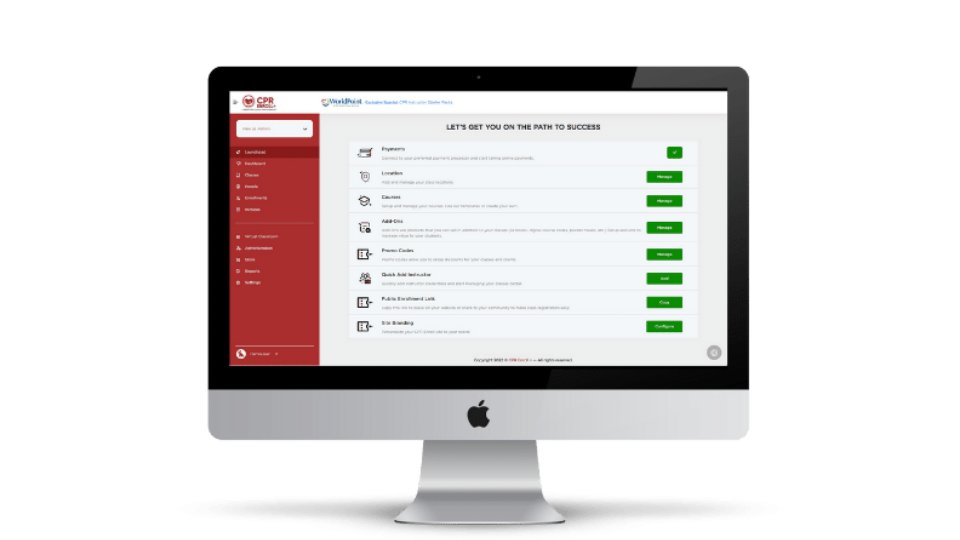
A seamless online scheduling experience is key to helping students manage their learning more effectively. As students juggle various commitments, a good scheduling system removes stress by making it easy to plan and adjust their study times. Understanding what students need from a scheduling system is the first step in crafting a user-friendly experience. An intuitive design makes all the difference in encouraging students to engage with their schedules. By focusing on simplicity and ease of use, you create a system that students can navigate without frustration. It’s also important to consider how technology can be integrated to support efficient scheduling, ensuring that updates and changes are communicated in real time. Communication plays a critical role in successful scheduling. Providing clear channels for student support and continuously seeking feedback helps improve the experience over time. With these elements in mind, you can create a scheduling system that truly supports students in their educational journey. Understanding Student Needs in Scheduling Identifying common challenges is the first step in creating effective scheduling for students. Many students face hurdles like balancing classes with work or family commitments. Scheduling conflicts can lead to missed classes or added stress, affecting their learning experience. Recognizing these challenges allows you to create solutions that work better for everyone. Flexibility and adaptability are crucial components of any good scheduling system. Students have different needs and lives, so offering varied class times or rescheduling options can make a big difference. Flexibility lets students choose what works best for their unique situation, helping them stay on track with their learning goals. Gathering feedback plays a key role in refining scheduling processes. Encourage students to share their thoughts on the current system. Surveys or feedback forms can be useful tools to understand their experiences and find areas for improvement. When students see their feedback valued, they feel more engaged and satisfied with their learning process. By understanding these aspects, you can create a scheduling system that meets student needs effectively, ensuring a more seamless and supportive learning environment. Designing an Intuitive Scheduling Interface Creating an intuitive scheduling interface hinges on user-friendly features that simplify navigation. A dashboard that presents information clearly helps students easily find their classes and schedules. Features like easy drag-and-drop scheduling or quick search functions can enhance usability and make the interface less daunting for users. Mobile compatibility and accessibility are critical in today’s learning environment. Students frequently access their schedules on the go, so ensuring your interface works well on mobile devices and is accessible to all students, including those with disabilities, is essential. This provides a consistent experience regardless of the device used. Design simplicity plays a major role in enhancing the user experience. A clutter-free interface that focuses on essential functions makes it easier for students to manage their schedules without getting overwhelmed. Clear buttons and labels, ample white space, and a logical layout can help students navigate the system with ease. By designing an interface that is simple and accessible, students can more easily manage their schedules, leading to improved satisfaction and a smoother educational journey. Integrating Technology for Efficient Scheduling Technology plays a vital role in creating an efficient scheduling system. Automation can significantly reduce administrative tasks, freeing up time for more important activities. For instance, automated scheduling features can handle class enrollments or cancellations without human intervention, making the process seamless for both students and administrators. Real-time updates and notifications are essential for keeping everyone informed. Students get instant alerts if there are schedule changes or important announcements, which helps prevent missed classes or confusion. This level of communication promotes better organization and ensures that students always know what to expect. Syncing scheduling with other learning tools and calendars is another technological advantage. When schedules are integrated with tools like Google Calendar or learning management systems, it allows for a more cohesive experience. Students can see their classes alongside their other commitments, helping them to manage their time effectively. By leveraging technology, scheduling can be made more efficient and responsive, which enhances both student satisfaction and overall program efficiency. Ensuring Seamless User Support and Communication Having clear communication channels for support is crucial to assist users effectively. Students should know who to contact for help and expect timely responses. A dedicated support team or chat option can make it easy for users to resolve any issues they face while using the scheduling system. Offering tutorials and guides help users navigate the scheduling system with confidence. Step-by-step instructions or video guides can assist new users in understanding the system’s features and functionalities. This educational support reduces the learning curve and encourages self-sufficiency in managing schedules. Encouraging continuous feedback and improvement ensures the system evolves with user needs. By welcoming suggestions from students and staff, you can identify areas for enhancement. Regular updates based on user feedback can make the scheduling process more efficient and user-friendly. Ensuring seamless support and communication creates a reliable atmosphere where students feel confident using the scheduling system, leading to better engagement and satisfaction. Conclusion As the need for streamlined scheduling in educational environments grows, integrating the right strategies and technologies becomes even more important. By understanding the unique needs of students, designing intuitive interfaces, utilizing technology, and ensuring robust support mechanisms, educational institutions can significantly enhance their scheduling processes. This holistic approach not only aids in optimizing administrative tasks but also enriches the overall student experience. Start enhancing your training business today with ResQ Health’s comprehensive ResQ OS platform. Everything from scheduling to student feedback is seamlessly integrated into one platform. ResQ Health empowers your business to deliver a smooth, efficient, and user-friendly scheduling experience for all your students.
Effective Online Marketing for Trainers

Marketing a training business online is a powerful way to connect with more people. It’s all about showing what makes your services special and reaching the right audience. By using the right tools and strategies, you can stand out and attract more learners to your programs. The first step is creating an eye-catching online presence. This means having a website that’s easy to use and represents your brand well. Then, you’ll want to share helpful content, like blogs or videos, that can educate and engage your audience. Connecting with your audience is vital. This involves using SEO to make sure they find you easily and engaging with them through social media. With a thoughtful approach and smart strategies, your training business can thrive in the online world. Building a Strong Online Presence Creating a strong online presence starts with a user-friendly website. Imagine your website as the front door to your training business. It should be easy for visitors to navigate, whether they are on a mobile phone or a computer. Make sure important information, like contact details and course offerings, is easy to find. A good design not only attracts visitors but also makes them want to stay and explore more. Branding plays a vital role too. Use colors, logos, and messaging that reflect what your training business is all about. Consistent branding across your website and social media channels helps create a memorable image. Whether it’s the font style or the tone of your messages, each element contributes to how your brand is perceived. Social media platforms are equally important in building an online presence. Establishing profiles on popular networks such as Facebook, LinkedIn, or Instagram helps get your brand noticed. Share updates, post images, and interact with followers. Social media is where you can showcase success stories and engage new audiences by sharing your knowledge and expertise. When your online presence is well-crafted, it becomes easier for people to connect with and trust your training business. This leads to more inquiries and can ultimately boost your enrollment numbers. Leveraging Content Marketing Content marketing is a smart way to reach and educate your audience. Start by writing engaging and relevant blog posts. These posts give you a chance to share insight into the topics you teach and tips that might help your audience. Write articles that are helpful and interesting, making readers eager to learn more about your training offerings. Developing video content and webinars can serve as dynamic tools to connect with your audience on a deeper level. Videos can break down complex ideas into bite-sized, easy-to-understand visuals. Webinars offer an interactive platform where potential clients can experience your teaching style firsthand, likely increasing their interest in enrolling. Newsletters offer another great way to reach your audience. By sharing regular updates, new course launches, or educational tips, newsletters keep your business fresh in the minds of subscribers. They are a direct line to people who want to hear from you and can help in guiding them through the learning paths you offer. Using content marketing smartly not only informs but also builds trust among your potential clientele. When people find value in the content you offer, it strengthens your relationship with them, encouraging them to choose your services for their learning needs. Utilizing SEO and Paid Advertising To boost visibility online, understanding keywords is essential. These are the terms that people use to search for training services like yours. Integrate these keywords naturally into your website content and blog posts. This optimization helps search engines find your pages, making it easier for potential clients to discover your offerings. Google Ads and social media advertising are powerful tools to reach more people. By targeting specific ads to the right audience, you increase the chances of attracting leads who are interested in what you offer. Tailoring ads for platforms such as Facebook or Instagram can also help since they provide diverse formats to capture attention, like image or video ads. When it comes to budgeting for online advertising, start small. Spend wisely and analyze results to see what delivers the best return on investment (ROI). Track the effectiveness of your advertising campaigns regularly to figure out which strategies bring the most engagement and enrollments. Adjust your approach based on these insights to make sure every dollar spent delivers value. Effective use of SEO and paid advertising ensures your training business reaches a broader audience, enhancing your ability to draw in new clients and grow your brand. Engaging with Your Audience Interaction with your audience builds strong relationships. Responding to comments and questions on your content promptly shows you value their input, creating a connection and fostering trust. This engagement encourages more interaction and discussion around your services, further drawing in interested clients. Building a community through online forums and groups helps create a sense of belonging. This could be as simple as starting a community group on Facebook or participating in discussions on platforms like LinkedIn. A supportive environment encourages your audience to stay engaged and interested in the learning opportunities you offer. Hosting live Q&A sessions and virtual events gives potential clients a chance to interact with you directly. These events can answer their questions and showcase what your training can offer them. They also provide an opportunity to demonstrate your expertise and build confidence in your offerings. Engaging actively with your audience makes them feel seen and appreciated. This engagement strengthens their loyalty to your brand and can lead to more referrals and recommendations. Conclusion: As the digital landscape continues to evolve, implementing effective online marketing strategies is key to thriving in the competitive training industry. By carefully crafting your online presence, you set the stage for successful outreach. Content marketing serves as a bridge to engage and educate, while SEO and advertising allow you to reach a wider audience. Engaging actively with your clients and building a community fosters an enduring connection with your brand. ResQ Health offers innovative tools like the ResQ OS platform
Overcoming Training Bottlenecks Efficiently: A Guide

No matter how well-planned a training operation might be, bottlenecks can still pop up and slow everything down. These annoying delays can affect both trainers and learners, causing a ripple effect of frustration and inefficiency. Recognizing where these bottlenecks occur is the first step in fixing them. Understanding bottlenecks is helpful because it reveals hidden issues in the training process. By spotting the signs early, it’s possible to tackle the problem before it grows bigger. This means everyone can enjoy a smoother and more enjoyable training experience. The good news is that with some clever changes and maybe a bit of technology, trainers can make those bottlenecks a thing of the past. By focusing on areas that need improvement, better strategies can be put in place. This ensures that the training operations run like a well-oiled machine, benefiting both trainers and learners alike. Recognizing Common Bottlenecks in Training Operations Bottlenecks in training operations can sneak in when least expected, creating hurdles that slow down the entire process. Identifying where these delays commonly occur is crucial. Often, bottlenecks appear during scheduling, resource distribution, or even in the communication between trainers and trainees. Tasks piling up in these areas often lead to unnecessary wait times which disrupt the flow. The impact of these bottlenecks can be quite significant. They can reduce overall efficiency, making it harder to meet training goals on time. Trainees may feel frustrated due to inconsistent sessions, and trainers might feel overwhelmed trying to catch up on delayed tasks. Such delays can influence motivation and the quality of training delivered, resulting in a ripple effect that reaches the end goals. Recognizing signs that a process is becoming a bottleneck is essential for timely action. For instance, if scheduling conflicts continuously occur or resources aren’t available when needed, these are clear indicators of a bottleneck developing. Noticing an increase in wait times for responses or decisions signals a problem, allowing adjustments to be made before they grow larger. By acknowledging these areas and understanding their impacts, trainers can prepare to address them effectively. This ensures smoother training operations and better outcomes for everyone involved. Analyzing Causes and Effects of Bottlenecks Understanding the reasons behind bottlenecks is the next step in resolving them. Determining root causes requires looking into aspects like staffing levels, resource availability, or even the systems in place. Overloaded schedules, outdated technology, or unclear communication guidelines may all contribute to slowdowns, creating a snowball effect that impacts the entire operation. When bottlenecks occur, they heavily affect trainer productivity and learner satisfaction. Trainers may experience burnout from excessive workloads and little time to focus on teaching quality. Learners might feel disengaged or frustrated by the inconsistency in training sessions, which can hinder their performance and motivation. Exploring how unaddressed bottlenecks can escalate is crucial. Continued neglect can expand delays, causing a cascade of issues that could affect aspects like attendance rates and overall training success. Ignoring such problems risks magnifying them, making them harder to deal with later. By analyzing these causes and their effects, trainers can better plan for solutions that minimize disruptions and maintain high standards in training operations. Understanding this helps ensure that both trainers and learners remain satisfied and productive. Strategies for Streamlining Operations Finding effective strategies to streamline operations can put an end to bottlenecks once and for all. Techniques for eliminating or reducing bottlenecks involve organizing tasks and responsibilities more efficiently. Setting clear priorities helps ensure that resources are directed where they are needed most, keeping training sessions smooth and consistent. Utilizing technology is another powerful way to manage bottlenecks. Automating repetitive tasks, like sending reminders or processing registrations, saves time and reduces human error. Implementing software that manages schedules or handles basic queries allows trainers to focus on what truly matters—delivering quality training. Optimizing scheduling and resource allocation is crucial. It is important to make sure that no time is wasted and every resource is used efficiently. Coordinating trainer and learner availability with the right tools ensures that sessions are run at the best times. By making these strategic adjustments, training operations can run more efficiently, benefiting everyone involved. Monitoring and Continuous Improvement To keep bottlenecks from returning, a system for ongoing assessment should be in place. Regularly reviewing operations and identifying areas needing attention prevents problems from escalating. This proactive approach allows adjustments before minor hitches turn into major disruptions. Gathering feedback from both trainers and learners plays a crucial role in detecting new bottlenecks early. Feedback provides insights into daily operations and highlights areas that may require changes. It encourages open communication and a shared goal of improving the training process. Adapting processes for sustained operational smoothness ensures that improvements last. By remaining flexible and responsive to changes, training operations can efficiently meet the needs of both trainers and learners. Continuous improvement guarantees that the training environment is always evolving for the better. Conclusion Identifying and overcoming bottlenecks in training operations is essential for creating a seamless and productive environment. Addressing delays and operational slowdowns enhances satisfaction for both trainers and learners. Streamlined operations lead to more effective training, better results, and a more positive experience overall. ResQ Health offers the tools needed to tackle bottlenecks head-on. Discover how our platform’s innovative solutions can help you streamline your training operations. With online scheduling, reputation management, and student feedback all in one place, ResQ Health supports your journey to success. Explore our training scheduling software to enhance your effectiveness today.
Adapting Training for Diverse Learners

Everyone learns differently, and that’s what makes designing a training program so exciting. Whether you’re showing pictures, playing sounds, or encouraging hands-on activities, there are countless ways to engage learners. Understanding these diverse learning styles helps trainers create better experiences that match how people learn best. Creating training that fits different learning styles is like crafting a puzzle. Every piece matters, and when they fit together, something amazing happens. Showing information in various ways helps each learner grasp concepts in a manner that feels just right for them. This personalized approach can unlock better learning and make the training journey more enjoyable. When training programs consider different learning styles, everyone gets a fair chance to shine. It means that each learner can access the tools and methods that help them understand and remember information. As trainers explore these adaptive teaching methods, they not only enhance engagement but also make learning a truly rewarding experience for all. Understanding Diverse Learning Styles People absorb information in ways that feel most intuitive to them. These different approaches are called learning styles, and they include visual, auditory, kinesthetic, and more. Visual learners thrive when they can see pictures, diagrams, or charts. Auditory learners, on the other hand, grasp information better when they can listen to it, such as through lectures or discussions. Kinesthetic learners need to move around and use their hands to truly understand new concepts. Recognizing these differences in how people learn is crucial. When trainers take these styles into account, they can create lessons that reach everyone in the audience. This understanding helps in designing a more inclusive training program that can meet the needs of all learners, ensuring nobody is left behind or feels out of place. The impact of acknowledging diverse learning styles in training is significant. When learners engage with material in a way that leverages their strengths, they tend to enjoy the learning process more. This leads to better retention of information and a greater sense of achievement. By catering to different learning styles, trainers can deliver more successful and effective training outcomes. Designing Flexible Training Content Flexible training content is essential for engaging diverse learners. To begin with, trainers can adopt various strategies to cater to different learning styles. This involves crafting a mix of content that is both visual and auditory, as well as incorporating physical activities to suit kinesthetic learners. This blend guarantees that all learners find something that resonates with them. Incorporating multimedia elements transforms training sessions into more dynamic experiences. Videos, podcasts, and interactive slides appeal to visual and auditory learners, making it easier for them to absorb information. Trainers can use graphics or short films in their presentations, while also providing audio tracks or discussion forums to enhance understanding for all learners. To further enhance learning, making content interactive and engaging is key. Quizzes, interactive simulations, and hands-on projects give learners the chance to practice what they’ve learned in a fun, engaging way. Interactive tools allow learners to explore and apply concepts at their own pace, fostering deeper understanding. Creating diverse training content ensures everyone has a fun and rewarding learning journey. Implementing Adaptive Teaching Methods Adaptive teaching methods are essential when aiming to accommodate diverse learning styles. One effective technique is to vary instructional approaches. Trainers can mix lectures with interactive discussions, group activities, and individual tasks. This diversity keeps learners engaged and caters to different preferences, making it possible for everyone to connect with the material in their own way. Using technology to personalize learning experiences enhances the capability of trainers to meet individual needs. Online platforms, educational apps, and learning management systems allow trainers to tailor lessons to certain skills and preferences. Personalized quizzes, adaptive learning paths, and virtual simulations are just a few examples of how technology aids in crafting a customized learning journey. Encouraging peer learning and collaboration also adds a dynamic component to training programs. Group projects and collaborative tasks foster teamwork and exchange of ideas among learners. This interaction not only helps learners with different styles but also builds a supportive learning community where everyone can benefit from shared knowledge and experiences. Evaluating the Effectiveness of Adaptive Training Programs To ensure that adaptive training programs are successful, evaluating their effectiveness is crucial. Gathering feedback from participants helps trainers understand what works well and what needs improvement. Surveys, questionnaires, and informal discussions are simple methods to collect valuable insights from learners. Using assessment tools to gauge success provides concrete evidence of the program’s impact. Quizzes, tests, and practical evaluations help measure learning outcomes and achievement levels. These assessments can highlight areas where learners excel, as well as those that might require additional support or adjustment. Continuous improvement based on feedback and outcomes is key to refining training programs. Regularly analyzing feedback and assessment results allows trainers to make necessary tweaks to the program. This ongoing process ensures that the training remains effective, relevant, and engaging for all types of learners. Conclusion Creating training programs that adapt to different learning styles helps craft a more inclusive educational experience. By understanding and implementing various teaching techniques, trainers ensure that all learners have the chance to succeed. Designing flexible content and using adaptive methods make training sessions enjoyable and effective for everyone involved. Ready to take your training programs to the next level? Let ResQ Health help you tailor your instructional approach to meet diverse learning styles. With our comprehensive class management platform, you can easily manage scheduling and collect feedback all in one place. Enhance your training success with us today!
How to Address Common Challenges in Training Administration

Running a training program smoothly comes with its own set of challenges. From managing time and resources to keeping up with administrative duties, there’s plenty to juggle. Understanding these hurdles is the first step in finding effective solutions. Trainers often find themselves balancing between teaching and administrative tasks. It can feel overwhelming managing schedules, resources, and communications all at once. But don’t worry, addressing these challenges can lead to a more efficient and successful training environment. By identifying common issues and adopting strategic solutions, training administrators can create a more organized and engaging experience for both trainers and learners. Let’s explore the key challenges and discover practical ways to overcome them. Identifying Key Challenges in Training Administration Training administration has its fair share of challenges that trainers face every day. One of the most common hurdles is organizational issues. Keeping track of schedules, lesson plans, and student needs can become overwhelming if not handled properly. These organizational challenges often lead to stress and can disrupt the flow of training sessions. Another major challenge is managing time and resources effectively. Trainers often juggle multiple tasks, and finding the balance between delivering effective instruction and handling administrative duties is crucial. Without a time management strategy, trainers can struggle to ensure smooth operations. Balancing administrative tasks with instructional duties requires careful planning. Trainers must find ways to manage paperwork, scheduling, and communication without compromising the quality of instruction delivered to learners. Understanding these challenges helps in finding ways to overcome them, ensuring efficient training sessions. Streamlining Scheduling and Resource Allocation Efficient scheduling and resource allocation are key to overcoming administrative challenges. Effective scheduling techniques can greatly reduce stress and increase productivity. Planners and digital calendars help in creating a clear timeline for training sessions, meetings, and other essential activities. These tools help avoid overlapping tasks and ensure that nothing is left out. Best practices for resource management include prioritizing tasks and allocating resources based on their importance. Developing a system to manage these resources ensures that both trainers and students have what they need without wasting time or materials. Sharing resources, when possible, can also cut costs and optimize usage. Incorporating tools and technologies can simplify administrative tasks and make them more manageable. Platforms that allow for integrated scheduling, resource tracking, and communication provide a one-stop-shop for handling these tasks efficiently. Using these technologies fosters smoother processes and minimizes the chances of errors in management. Ensuring proper scheduling and resource allocation keeps the training program on track and effective. Enhancing Communication and Collaboration Strong communication and collaboration form the backbone of successful training programs. Establishing solid lines of communication with both staff and students helps keep everyone informed. Regular meetings, emails, and updates ensure that all team members are in sync. This synergy reduces misunderstandings and aligns the group with training goals. Encouraging teamwork and collaboration among trainers is equally important. When trainers work together, they can share ideas and strategies beneficial to the program. Teamwork brings diverse perspectives and fosters a supportive environment where trainers can learn from each other. Joint brainstorming sessions and collaborative projects can enhance the learning experience for everyone involved. Maintaining transparent communication channels is essential for trust and cooperation. Open forums, suggestion boxes, and regular feedback sessions allow trainers and students to express thoughts and ideas freely. Transparency helps avoid confusion and ensures that everyone feels comfortable sharing their perspectives. Effective communication and collaboration ultimately create a cohesive and dynamic training environment. Utilizing Feedback and Data for Continued Improvement Incorporating feedback and data collection into training is crucial for ongoing development. Gathering valuable data from training sessions helps trainers understand what works and what doesn’t. Surveys, feedback forms, and observation sessions provide insights into the effectiveness of training techniques and materials. Analyzing this data reveals improvement opportunities that may not be immediately obvious. Trainers can identify trends and patterns that indicate where adjustments are needed. This analysis allows them to fine-tune training methods, resources, and delivery styles to better suit learner needs. Implementing changes based on feedback and data insights is the final step in this improvement cycle. Making informed adjustments driven by concrete data empowers trainers to enhance the training experience. This iterative process of gathering feedback, analyzing data, and making changes ensures that training sessions remain effective and relevant over time. Conclusion Effective training administration blends communication, collaboration, and data-driven improvement. By tackling key challenges, streamlining operations, enhancing communication, and utilizing feedback, trainers can deliver high-quality sessions. These aspects create a smoother and more structured learning experience, benefiting both trainers and students. ResQ Health understands the importance of a well-organized training program. Our training scheduling software supports training businesses in managing schedules, enhancing communication, and utilizing feedback efficiently. To transform your training process into a seamless and successful journey, explore what we can offer. Discover how our solutions can take your training management to new heights!
Consistent Communication for Training Success

Good communication is like a sturdy bridge that connects trainers and students, making training sessions more effective. Everyone wants to feel heard and understood, especially when learning something new. That’s why keeping communication clear and consistent is so important for training success. It’s not just about sharing information but doing so in a way that brings everyone together. When trainers communicate well, students can better understand what’s expected of them and how they can succeed. This understanding builds trust, which helps create strong relationships between trainers and students. These relationships can spark engagement and a love for learning that can last a long time. By focusing on consistent communication, trainers can make sure that everyone is on the same page. This not only helps learners grasp the material better but also makes the whole training process smoother and more enjoyable for everyone involved. The Role of Communication in Training Communication is at the heart of every effective training session. It ensures that the right message gets across from trainer to student. Clear and consistent messaging makes sure that all participants understand the course goals, schedule, and expectations. This clarity helps learners focus on what is important without confusion. Consistent messages mean everyone is on the same path to success. Good communication also influences learning outcomes. When students receive regular insights and updates, they can adjust their learning strategies. They know when and where to dig deeper into the material. This kind of support can promote a sense of achievement and progress. Moreover, effective communication allows trainers to adjust their methods to suit diverse learner needs. Trust building is another key role of communication in training. Trainers who interact openly generate a sense of reliability. This trust elevates the learning experience, as students feel valued and heard. Strong relationships foster a safe space for questions and clarifications. Effective communication thus lays a solid foundation for an enriching learning journey. Methods for Maintaining Consistent Communication Maintaining consistent communication ensures that learners are always in the loop. One essential method is sending regular updates and reminders. These can be through emails or text messages. They help students stay on track with their training schedules and upcoming sessions. Using communication platforms is another effective way to keep the conversation going. Tools like discussion boards or group chats let trainers share important updates instantly. These platforms also encourage learners to interact, seek help, and share insights, making the learning environment more interactive. Scheduling follow-ups and feedback sessions plays a crucial role as well. By doing so, trainers can address any lingering questions and gather insights about the learning process. These sessions provide an opportunity to clarify doubts and improve the teaching approach based on student input. Maintaining consistent communication through these methods not only keeps learners informed but also makes them feel connected. It enhances engagement and helps ensure that the training process runs smoothly and effectively. Overcoming Common Communication Barriers Breaking through communication barriers is crucial for effective training. Misunderstandings happen when messages aren’t clear, leading to confusion. Identifying these potential misunderstandings early on can help trainers craft clearer communication strategies. Recognizing where such barriers might occur allows for the development of proactive solutions. Here are some strategies to ensure clear communication: – Simplify the language used in messages to prevent misinterpretation. – Use examples or visuals whenever possible to clarify complex ideas. – Repeat key points in different ways to ensure everyone understands. Encouraging open dialogue is another way to tackle communication challenges. Invite questions and foster an environment where learners feel comfortable speaking up. An interactive atmosphere helps eliminate misinterpretations, making the learning process seamless. This approach builds confidence in learners, empowering them to clarify doubts and engage more deeply in their training. Measuring the Impact of Communication on Training Success To truly understand communication’s effect on training success, it’s important to gather participant feedback. Encourage learners to share their thoughts on how effective the communication has been. This feedback offers valuable insights into areas that work well and those needing improvement. Assessing engagement levels gives a more comprehensive picture of training success. Check if students actively participate in discussions and complete assignments on time. High engagement often indicates effective communication methods. On the other hand, low participation can be a sign that adjustments are needed. Use the collected data to refine communication strategies for future sessions. Analyzing feedback and participation can guide trainers in tweaking their approaches, making future training sessions more effective. Continuous improvement based on real data keeps trainers aligned with learners’ needs and enhances the overall training experience. Conclusion Clear and consistent communication is a powerful tool for enhancing training success. It builds the bridge that connects trainers and students, creating a learning environment where everyone thrives. By overcoming barriers and measuring the effectiveness of communication, trainers can continually adapt and improve the way they engage with students. At ResQ Health, we understand that effective communication is essential. That’s why our platform is designed to support your training business with top-notch communication tools. Whether it’s managing your schedules or gathering feedback, ResQ Health is here to make sure your communication is seamless and your sessions successful. Explore what we can do to elevate your training today.
Balancing In-Person and Online Training

Training sessions can happen both face-to-face and on your computer. Combining in-person and online training, often called “blended training,” offers a great chance to make learning better for everyone. Each type of session has its special perks, and together, they can create a more flexible and fun way to learn. Blended training helps trainers reach learners in ways that fit their needs best. Some people learn better in a classroom with others, while some enjoy the ease of connecting online. Blended training gives everyone the choice to learn in the way that suits them best. When you balance in-person and online training, you create more chances for trainers to share knowledge effectively. Learners get to enjoy both the personal touch of in-person sessions and the convenience of online resources. Exploring this mix helps everyone make the most out of their learning time. Understanding the Benefits of Blended Training Blended training mixes in-person and online learning to create a richer experience. This approach offers various advantages for both learners and trainers. Combining these sessions means learners can benefit from face-to-face interaction and the flexibility of online lessons. Each format brings its strengths, making blended training a powerful way to deliver education. One major benefit of blended training is its ability to meet diverse learning needs. Some learners thrive in a classroom where they can ask questions and get immediate feedback. Others prefer the independence of learning online at their own pace. Blended training addresses both types of learners by making use of different styles of teaching. Additionally, blended training offers flexibility and accessibility. Trainers can schedule sessions that fit the learners’ routines and accommodate different time zones. This flexibility allows learners to access the materials when it’s most convenient for them, leading to improved understanding and knowledge retention. For trainers, blended learning is a great way to reach more people and cater to their different learning styles. It’s a method that brings everyone together, offering a balanced and comprehensive experience that helps make learning effective and engaging. Planning and Structuring Blended Sessions To make the most of blended training, creating a balanced schedule is key. Start by mapping out your sessions and spreading them across a timeline to ensure all learners can attend each part. This way, the learners can enjoy both in-person interaction and online flexibility. Deciding which content suits each format is another important step. Hands-on activities, discussions, and demonstrations flourish in an in-person setting. On the other hand, lectures, reading materials, and quizzes can be effectively handled online. By selecting the right format for each piece of content, learners can understand the material more thoroughly. Setting clear goals and expectations for each session ensures everyone knows what to expect. Outline what learners should achieve after each training. Providing a roadmap helps learners see their progress and understand how each session builds on the last, whether it takes place online or in person. By carefully planning and structuring blended sessions, educators can harness the full potential of both in-person and online formats, making learning more organized and impactful. Engaging Participants in Both Environments Keeping learners engaged is key in both in-person and online settings. For motivation, you must adapt your approach depending on the environment. Here are some strategies to keep everyone involved: 1. Set Clear Expectations: Explain how each session will work. Let participants know what they need to prepare and what they will gain from each session. 2. Interactive Tools: Use polls, quizzes, and interactive games during online sessions. These tools make learning fun and allow learners to show what they have learned. 3. Group Activities: For in-person sessions, arrange group discussions or problem-solving tasks. These activities make sessions lively and encourage collaboration. 4. Encourage Participation: Ask questions and encourage learners to share their thoughts. This helps create a dialog and makes everyone feel part of the class. By actively engaging your learners, you not only make the sessions enjoyable but also improve the overall learning experience. Such strategies ensure that the training is impactful, regardless of the environment. Evaluating and Adjusting Your Training Approach After running your blended sessions, it’s important to take a step back and see how they went. Gathering feedback from participants helps understand what worked and what didn’t. Ask learners about their experiences and what they found most helpful. This feedback is valuable for planning future sessions. Analyzing the outcomes allows you to adjust your approach. Look for patterns in the feedback. Did everyone enjoy a particular activity? Was there a session that didn’t meet expectations? Identifying these elements helps you refine your future plans. Next, adapt your strategies based on the feedback. If an online tool isn’t engaging learners, think about trying a different one. If in-person sessions could be more interactive, consider adding more hands-on activities. Making these small tweaks helps improve everyone’s experience. Evaluating and adjusting your training ensures continuous improvement. This approach keeps your sessions fresh and effective, leading to better results for participants. Conclusion Balancing in-person and online training can seem tricky at first, but with careful planning and a focus on engagement, it becomes a rewarding experience for both trainers and learners. By understanding the benefits of blended training, structuring sessions effectively, engaging participants, and adapting based on feedback, you can create a dynamic learning environment. These steps don’t just enhance the learning experience; they also foster a more connected and interactive group. Learners benefit from varied forms of interaction and trainers enjoy the satisfaction of seeing their efforts pay off in real-time. ResQ Health can support you in seamlessly integrating in-person and online training sessions. Explore how our platform can streamline your training operations, from scheduling to feedback gathering, ensuring you provide an exceptional experience every time.