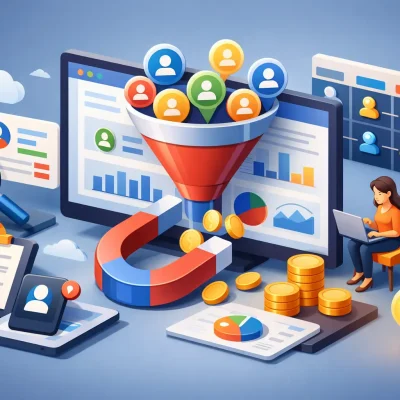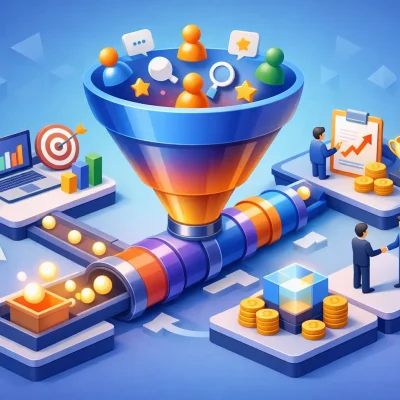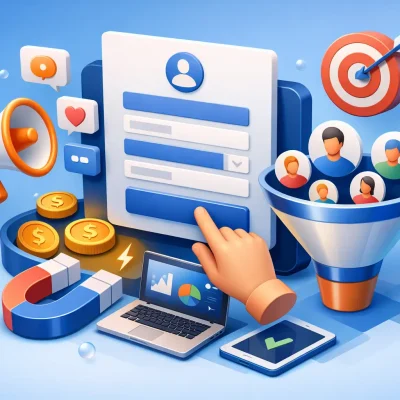
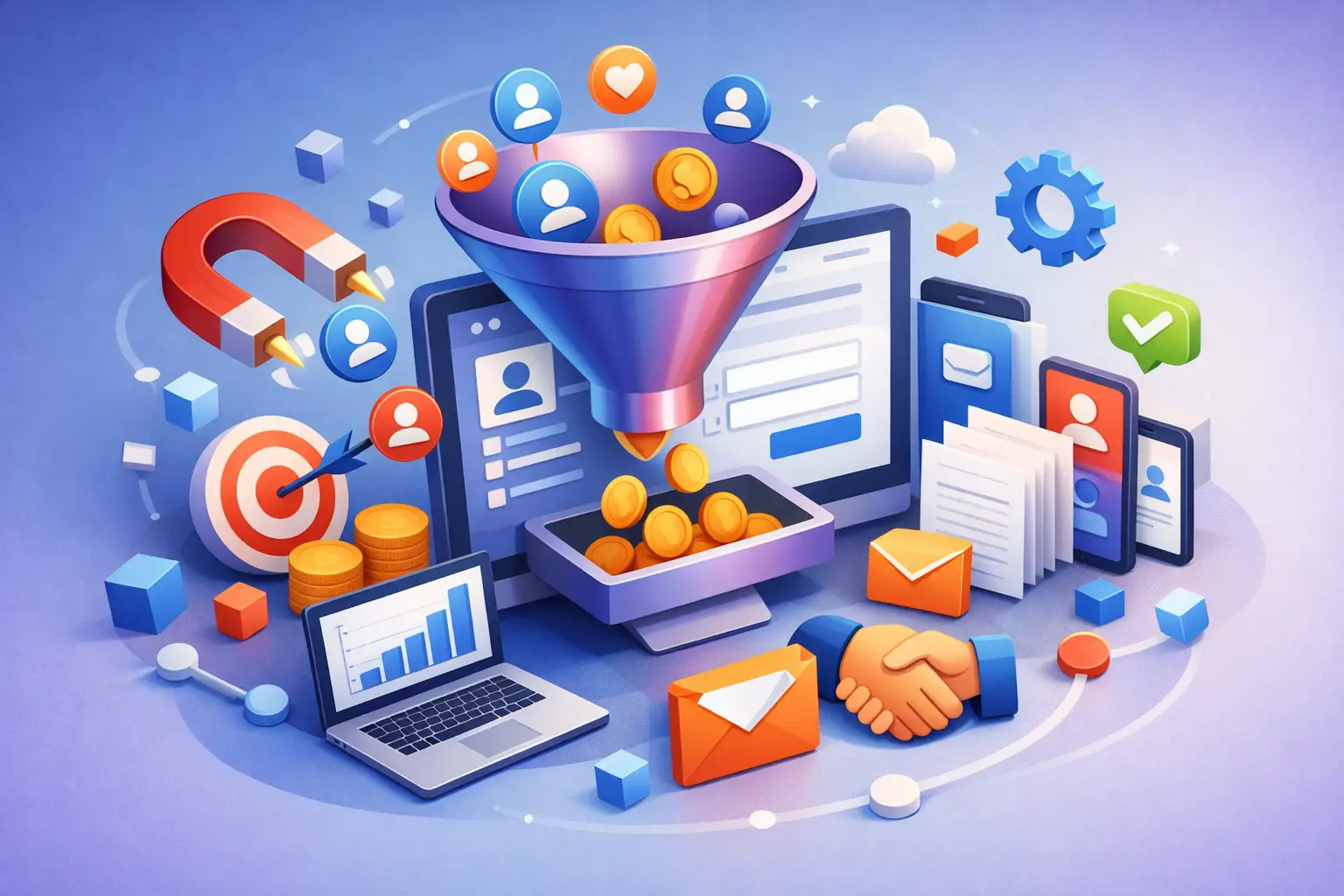
A missed call at 2:17 p.m. should not turn into a lost job, an empty appointment slot, or a prospect who books with the company that replied first. That is the real business case behind the question, what is a lead capture system. For service businesses, it is not just a marketing tool. It is the system that makes sure inquiries actually become conversations, appointments, and revenue.
A lead capture system is the process and software setup a business uses to collect prospect information, organize it, respond quickly, and move that person into the next step. That next step might be a booked estimate, a consultation, a class registration, a service request, or a payment. The key is that the system does more than gather names and phone numbers. It creates a controlled path from first inquiry to follow-up.
For a clinic, that may mean turning a website form into a scheduled consultation with automated reminders. For a CPR training company, it may mean capturing interest from a Facebook ad, sending a confirmation text, and prompting certificate renewal outreach months later. For a contractor, it may mean logging a missed call, sending an instant text response, and assigning the lead to the right team member before the customer moves on.
What a lead capture system actually includes
A lot of businesses think lead capture starts and ends with a contact form. It does not. A form is one input point. The system is the full chain behind it.
Most lead capture systems include several working parts: lead sources, intake methods, contact storage, routing rules, follow-up automation, appointment scheduling, and status tracking. If any one of those pieces is missing, leads can still leak out.
For example, if your ads generate inquiries but your staff replies manually when they have time, speed becomes the problem. If your team responds quickly but new leads are scattered across inboxes, texts, spreadsheets, and call logs, organization becomes the problem. If leads are organized but nobody follows up after the first touch, consistency becomes the problem.
A real lead capture system solves all three.
Why service businesses need more than basic lead collection
Service businesses are not selling a simple online checkout item. They are managing appointments, trust, timing, and communication. That changes what a lead capture system needs to do.
In many service categories, the lead is only valuable if the response happens fast. A homeowner with a plumbing issue, a parent looking for CPR certification, or a patient seeking an appointment usually contacts multiple providers. The business that responds first, sounds organized, and makes booking easy often wins.
That is why the strongest lead capture systems focus on operational response, not just marketing metrics. They help businesses answer questions like these: Did we respond within five minutes? Did the lead get assigned correctly? Did they receive a booking link? Did we remind them before the appointment? Did we follow up if they did not schedule?
Without that structure, lead generation spending gets wasted. You may have enough demand, but not enough process.
How a lead capture system works in practice
The process usually starts when someone takes action. They submit a website form, call your number, click a social ad, send a text, reply to an email campaign, or request service through a landing page. The system records that inquiry and creates a lead record with contact details and source information.
From there, the next step should happen automatically whenever possible. The lead can trigger an instant confirmation text, an email acknowledgment, an internal notification, or a scheduling prompt. Based on the type of inquiry, it can also be assigned to a location, staff member, or pipeline stage.
Once the lead is in the system, your team can see status, communication history, notes, and pending actions in one place. That matters because follow-up rarely happens in one message. It usually takes multiple touches.
A strong setup continues after the first contact. If the person does not book, the system can send reminders. If they do book, it can send confirmations and appointment reminders. If they become a customer, the same system can handle review requests, reactivation campaigns, and repeat service outreach.
That is where the difference shows up. A basic tool captures contact details. A business-ready system supports the full customer journey.
What is a lead capture system without automation?
Usually, it is a bottleneck.
Manual lead handling can work at very low volume, but it breaks down fast. Staff get busy. Calls are missed. Inbox replies are delayed. Notes stay in personal phones or email threads. Leads sit untouched overnight or through the weekend. By Monday, they are gone.
Automation does not replace your team. It protects response time and follow-through when your team is busy doing the actual work of the business.
That can mean an automatic text after a missed call, an email sequence for unbooked estimates, reminder messages before a consultation, or a workflow that prompts re-engagement after a no-show. The exact automation depends on the business model. A med spa will need different timing than an HVAC company or a training provider. But the principle is the same: remove preventable delay.
There is a trade-off here. Too much automation, especially generic automation, can feel impersonal. The best systems use automation to handle the repetitive steps while giving staff context for the human conversations that matter.
The core features to look for
If you are evaluating options, start with the actual operational gaps in your business. The right lead capture system should fit how your leads arrive and how your team works.
At minimum, it should capture leads from multiple channels, centralize contact records, and support fast response. For most service businesses, it also needs built-in scheduling, pipeline visibility, follow-up automation, and two-way communication by text and email.
Beyond that, useful features depend on the business. Clinics may care more about appointment reminders and no-show reduction. Training companies may need recurring reminders and certification follow-up. Contractors may need mobile access, call tracking, and estimate workflows. Property managers may need team assignment and longer nurture sequences.
This is why all-in-one systems tend to outperform disconnected tools. If your forms live in one platform, your texting in another, your scheduler in another, and your customer records in a spreadsheet, your staff ends up doing system integration by hand. That costs time and creates errors.
Common signs your current setup is not enough
If you are wondering whether you already have a lead capture system, look at the outcomes, not the software names on your stack.
If leads are coming in but response is inconsistent, your system is not doing its job. If staff members have to copy information from one app to another, your system is not complete. If no one can easily tell which leads are new, which are waiting, and which are booked, you do not have enough visibility. If missed calls are common and there is no instant fallback response, you are likely losing revenue quietly.
Another warning sign is when follow-up depends on memory. If someone has to remember to send reminders, check in after an estimate, or re-engage old prospects, those tasks will slip.
A lead capture system is really a revenue control system
That may sound blunt, but it is accurate. Lead capture is not just about collecting demand. It is about controlling what happens next.
When the system works, your business becomes easier to run. Staff spend less time chasing details. Prospects get faster responses. More appointments get booked. Fewer opportunities disappear because someone forgot to follow up. Over time, the gains show up in conversion rate, lower no-shows, stronger retention, and better customer experience.
For service businesses with recurring communication needs, this matters even more. The lead should not vanish after the first appointment. The same system can support ongoing engagement, whether that means review requests, return visits, service reminders, class renewals, or payment follow-up.
That is one reason platforms like ResQEngage are built around the full operating cycle, not just intake. Capturing the lead is only the first move. The real value comes from what the business can do next without juggling five separate tools.
What is a lead capture system worth to your business?
The answer depends on lead volume, average job value, and how often you currently miss follow-up. A company losing three leads a week has a very different problem than one losing thirty. But in both cases, the cost of poor lead handling is usually higher than it looks because missed opportunities rarely appear on a report.
A good system gives you more than convenience. It gives you accountability. You can see where leads came from, how fast your team responded, which messages got replies, and where people dropped off. That makes improvement possible.
If your business depends on booked appointments, quick response, and repeat communication, a lead capture system is not an extra layer. It is the operating structure that keeps interest from slipping through the cracks. The right one should make your day easier, your team more consistent, and your pipeline a lot less dependent on memory and luck.