A new lead comes in at 8:17 p.m. Your office is closed, your team is off the clock, and by 8:24 that prospect has already contacted two competitors. This is where automated follow up for leads stops being a nice add-on and starts acting like an operating requirement.
For service businesses, speed matters, but consistency matters just as much. A quick reply gets attention. A structured sequence gets appointments booked, forms completed, reminders sent, and stalled opportunities moving again. If your process still depends on someone remembering to text back, call tomorrow, or send a reminder before the appointment, the problem is not effort. It is system design.
Why automated follow up for leads matters more in service businesses
Most service companies do not lose leads because demand is weak. They lose them in the handoff between inquiry and action. Someone fills out a form, misses a call, sends a weekend message, or asks a question after hours. Then the business replies late, replies once, or forgets to follow up at all.
That gap is expensive in industries built around appointments and local trust. A clinic needs to move an inquiry into a scheduled visit. A training provider needs to answer questions, confirm enrollment, and keep attendance high. A contractor needs to respond before the homeowner moves on. In each case, the lead is not won at the moment of interest. It is won in the follow-up window that comes right after.
Automation helps because it removes the weak points that show up when staff are busy. It sends the first response immediately. It keeps communication going if the lead does not answer. It triggers reminders when an appointment is booked. It can also shift into post-visit communication for reviews, repeat bookings, renewals, or reactivation.
The real value is not that messages go out automatically. The real value is that your business stops relying on memory and starts relying on process.
What good automated follow up for leads actually looks like
A lot of businesses hear “automation” and picture a stiff email drip that feels generic and gets ignored. Good automation is more operational than promotional. It is timely, specific, and tied to the next action you want the customer to take.
The first step is immediate acknowledgment. If someone reaches out through a website form, text, ad form, or missed call, they should hear back right away. That first message does not need to do everything. It just needs to confirm receipt, set expectations, and give them a path to book or reply.
After that, the sequence should match the context. A prospect asking for a quote needs a different path than someone booking CPR training for a team. A lead who clicked but did not schedule may need reminders and a simple booking option. A lead who booked already needs confirmation, instructions, and appointment reminders.
This is where many businesses overcomplicate things. You do not need a huge web of campaigns on day one. You need a practical structure that covers the moments where revenue is usually lost.
The core stages to automate
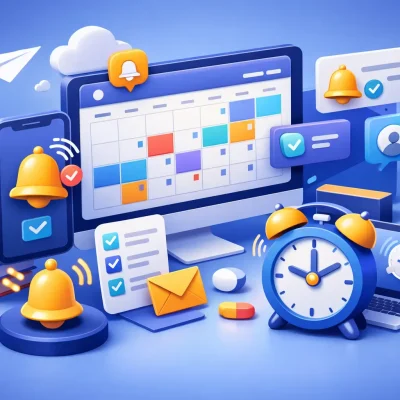
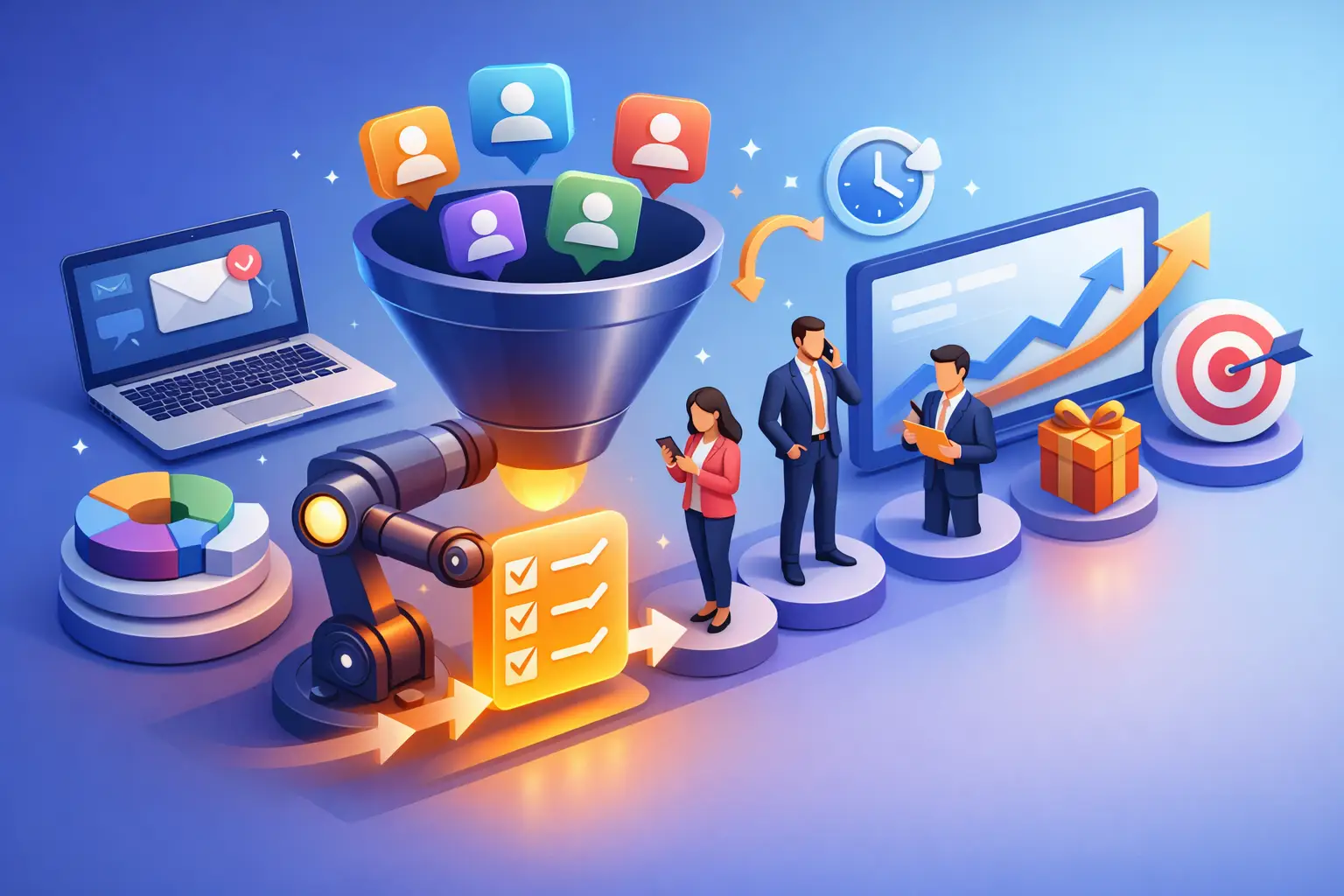
Start with inquiry response, then booking nudges, then appointment reminders, then no-show recovery, and finally post-service follow-up. That sequence covers most of the communication breakdowns service businesses deal with every week.
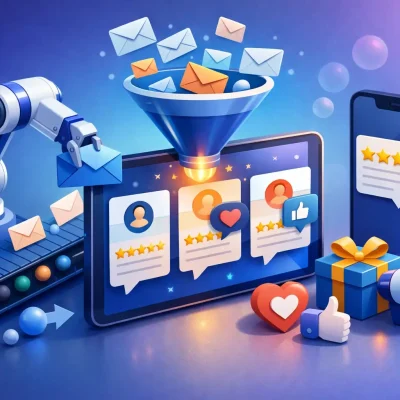
Inquiry response should be immediate. Booking nudges should continue if the lead has not taken action. Appointment reminders should reduce no-shows and confusion. No-show recovery should give people an easy way to reschedule. Post-service follow-up should support reviews, repeat business, renewals, or referrals depending on your model.
If your system only handles the first reply but leaves the rest to manual effort, you still have leaks in the pipeline.
Where businesses get automated follow-up wrong
The most common mistake is treating every lead the same. If every inquiry gets the same message chain regardless of service type, urgency, or source, follow-up becomes noise. A homeowner with an urgent plumbing issue is not on the same decision timeline as someone comparing class dates for a certification course.
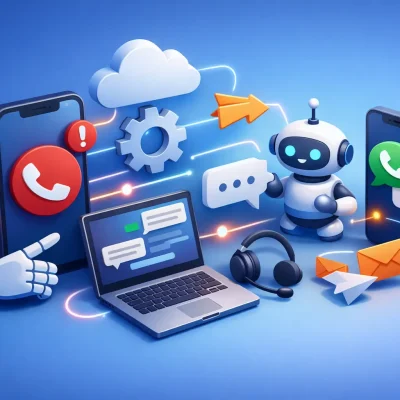
The second mistake is relying on one channel only. Email alone is often too slow for service businesses. Text gets seen quickly. Calls still matter in higher-intent situations. The right mix depends on your customer behavior, but multichannel follow-up usually performs better than any single method by itself.
The third mistake is writing messages that sound automated in the worst way. Long intros, heavy marketing language, and vague calls to action create friction. People want clarity. Can they book now? Do they need to reply with a preferred time? Is there a payment link? Do they have to complete a form first? Good follow-up removes uncertainty.
A final mistake is failing to connect automation to operations. If your reminders are separate from your calendar, your follow-up is separate from your inbox, and your lead records live somewhere else, staff still end up patching together the customer journey manually. That is how businesses end up with duplicate work, missed updates, and inconsistent customer experience.
How to build a follow-up system that fits the way you work
The best follow-up system is not the most complex one. It is the one your team can actually run without friction.
Start by looking at your highest-value lead paths. Where do your best opportunities come from, and where do they stall? For some businesses it is website forms that never get booked. For others it is missed calls during the day, unconfirmed appointments, or no-shows that never get rescheduled.
Once you know the pressure points, define the trigger, the channel, the timing, and the goal for each step. If a lead submits a form, send an immediate text and email. If they do not book within a day, send a reminder. If they book, switch them into confirmation and reminder messages. If they do not show, send a reschedule option.
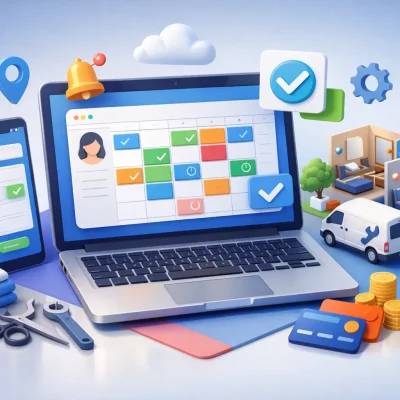
This is also where consolidation matters. A platform like ResQEngage is useful because it keeps messaging, CRM, scheduling, reminders, payments, and ongoing follow-up in one operating system instead of forcing staff to bounce between separate tools. That is not just a convenience issue. It directly affects speed, visibility, and whether automation actually gets used.
Build for exceptions, not just the ideal path
Every business has edge cases. A training provider may need different follow-up for individual students versus group bookings. A clinic may need intake forms before the visit. A contractor may need estimates approved before scheduling. Automation works best when it handles these branches without forcing the team to start from scratch.
That said, there is a trade-off. The more complex the logic, the more setup and maintenance it requires. For many small and midsize businesses, a simpler system that handles 80 percent of cases well will outperform a sophisticated setup that no one maintains.
What results to expect from automated follow-up
The clearest gains usually show up in four areas: response time, booking rate, no-show reduction, and staff efficiency.
Response time improves first because the system replies even when your team cannot. Booking rate improves when leads are guided toward the next step instead of left waiting. No-shows drop when reminders are consistent and easy to act on. Staff efficiency improves because fewer tasks depend on manual chasing.
There are softer benefits too. Customers feel like your business is organized. Conversations do not disappear when someone on staff is out. Managers can see where leads sit in the pipeline instead of asking around. Follow-up becomes measurable instead of anecdotal.
Still, automation is not magic. If your offer is unclear, your booking process is clunky, or your team does not handle live conversations well, software will not fix those issues by itself. Automation strengthens a process. It does not replace one.
The standard to aim for
If a lead contacts your business right now, could your system respond within minutes, guide them to book, remind them to show up, and continue communication after the appointment without staff intervention at every step? If the answer is no, the gap is not just technical. It is operational.
The businesses that win more of the leads they already paid for are usually not doing anything flashy. They are just harder to fall through. Their follow-up is fast, clear, and consistent. Their systems keep working after hours, during busy periods, and when the front desk is stretched.
That is the practical case for automation. Not more software for its own sake, but fewer missed opportunities, fewer manual workarounds, and more control over what happens after a prospect raises their hand.
When follow-up runs like a system instead of a scramble, growth gets easier to manage.